
How To Build A Compelling Antagonist
Antagonists are one of my favorite parts of any story. Sure, maybe I was absolutely begging for the bad guys to die and leave my gays alone in Priory of the Orange Tree, but the antagonists were interesting! And same with a recent read in Tess of the Road. So what do you do to make your antagonist stand out in your book? Let’s break it down in seven steps!
Firstly, a quick clarification. I’m talking about antagonists here, not villains. Villains are generally more evil, while antagonists can just be some guy who keeps beating your MC for that raise.
- The first step is giving your antagonist a goal that puts them at odds with your main character. Perhaps they’re out there trying to raise an army of undead dragons, and your main character happens to live atop one of the burial mounds and is trying to stop your antagonist. That’s conflict! But why is your antagonist doing this? Add depth here, this is your chance to make a complex character: maybe your antagonist is raising the army because they believe it’s the only way to stop a neighboring kingdom from invading and slaughtering them all. Maybe dragons have gone extinct, and your antagonist wants to use black magic to resurrect them and give them a second chance at living in the world.
- Give them good parts of their personality. Maybe your antagonist adores animals, and that’s why they want to bring the dragons back. Maybe outside fighting with the main character, they have a perfectly normal and healthy life with a family back home. Maybe there are certain lines they won’t cross, or maybe they purposely get in the main character’s way because they don’t want that MC to get hurt later on.
- Make them challenging. I love morally grey characters, and I’ve been exploring them for a long time in writing. I think making a great antagonist comes with making a character who stands in your MC’s way, but isn’t necessarily villainous. Your antagonist should do things that stop and harm your MC, whether that be seen as a good or bad thing, and also have their own reasons for doing so.
- Make them full characters. You can’t just base them completely off how they fight with the MC. There’s got to be more depth to them. They should be fully fleshed out. Whether or not we see every part of their backstory and life is up to you and your story, but having that knowledge for yourself can help you write a character that feels more rounded. This means giving them passions, regrets, and goals outside stopping your main character.
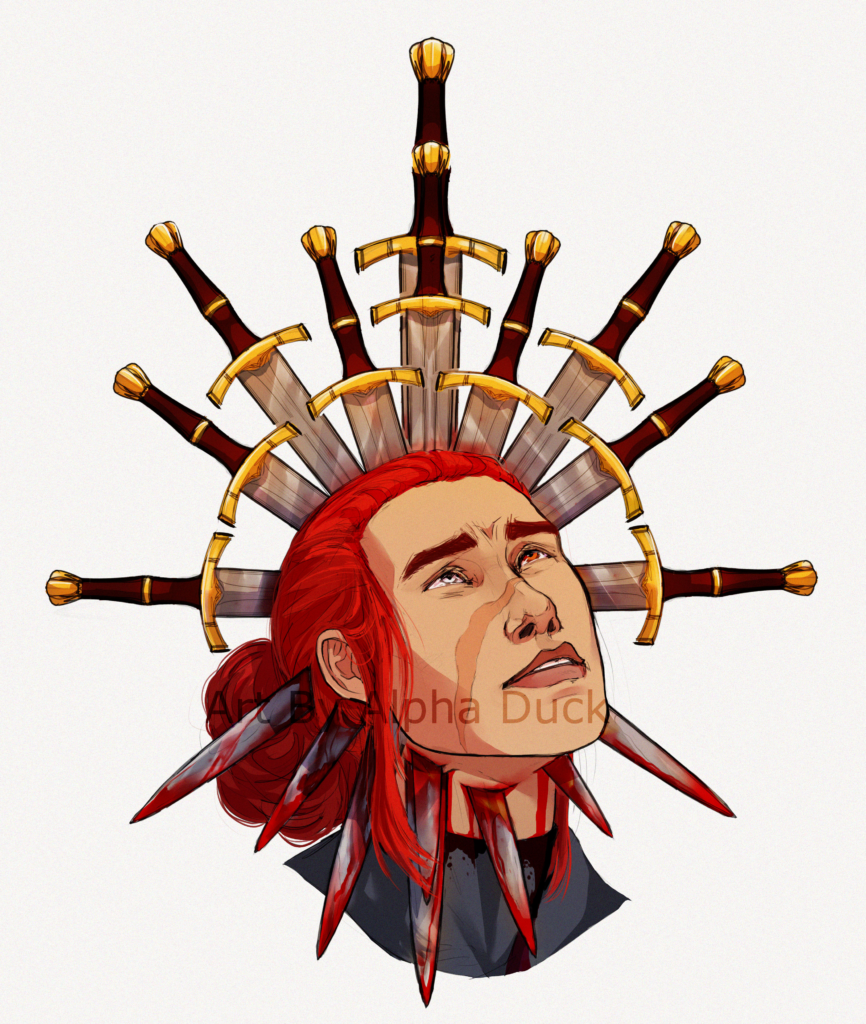
I know this list is small today, but honestly you should treat your antagonists just like the rest of your characters! Give them a life outside the main character. I’ll admit, I do love seeing what antagonists do in their free time, and having them run into the main character outside of fighting is always funny to me. Antagonists generally think they’re doing the right thing. Like my character Voshell believes that the path she’s chosen is the only right path to saving her people from war. Is she going about it the most humane way? No. You could definitely make and win the argument that many of the choices she’s made in the war have been villainous. But she’s fighting for a good cause and believes she’s doing the right thing. How does that mesh with our main character, who believes they’re doing the right thing? How does this create conflict, and does this mean that the antagonist doesn’t have a point in their line of thinking?
Stay safe out there!